Agroparc Penedès
A sustainable and circular agri-food cluster that revalues the landscape and heritage of the Alt Penedès region.


The Osona Viewpoint Network highlights the natural and scenic beauty of the region. With four strategically located viewpoints, the project aims to preserve the area’s natural values and promote the history of each site. The use of local materials such as stone adds durability and coherence to the overall project.
The Osona region occupies a strategic position between the Pyrenees and the Costa Brava. It is an inland territory of great natural and scenic richness: the Plana and the Ter River are surrounded by mountains that give way to natural areas such as the Montseny Natural Park, the Les Guilleries-Savassona Natural Area, and the Lluçanès region. These landscape values, together with its cultural heritage —especially the Romanesque remains— are the driving force behind the Osona County Council’s initiative to promote the “Osona Viewpoint Network” project.
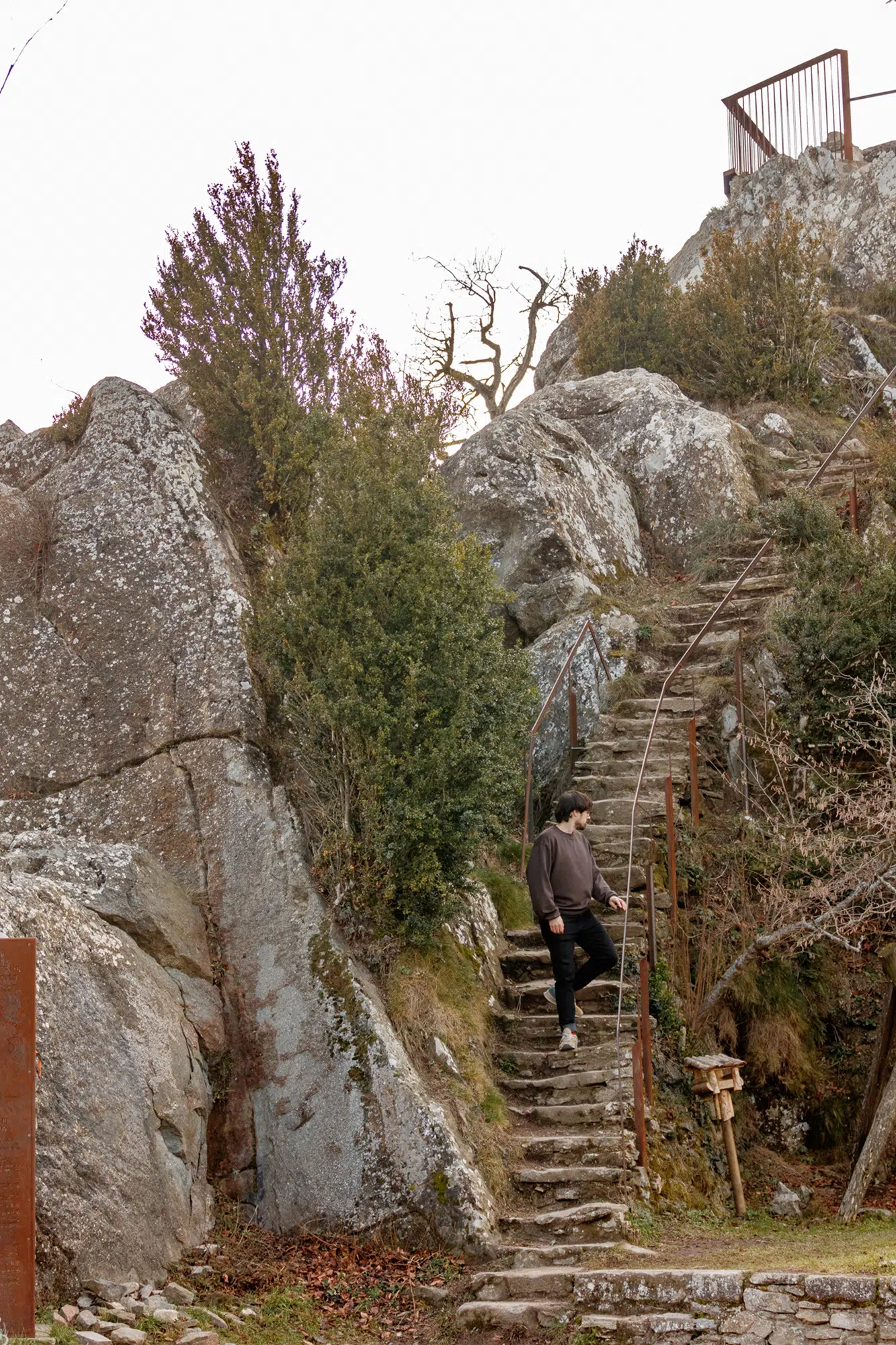
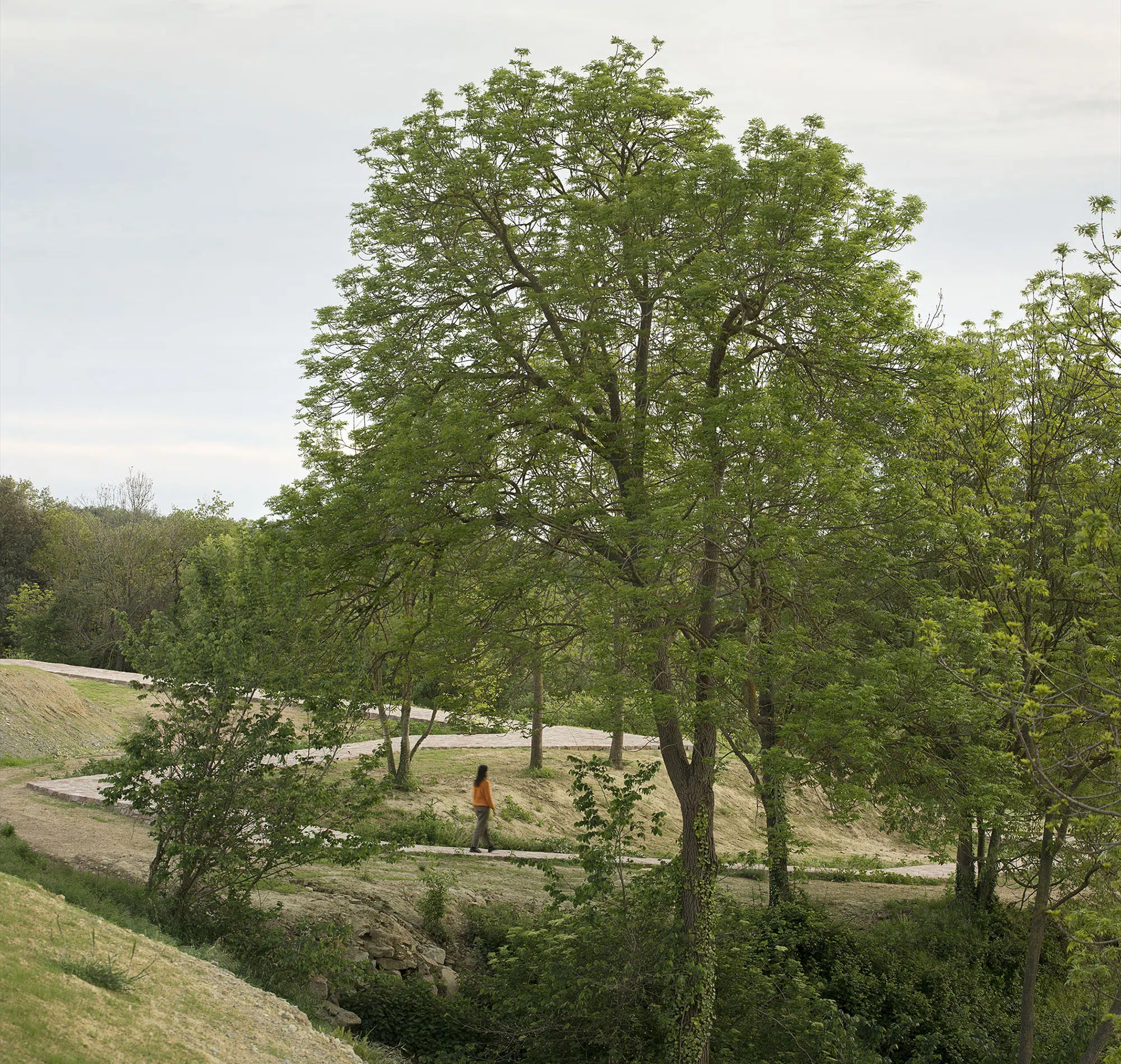
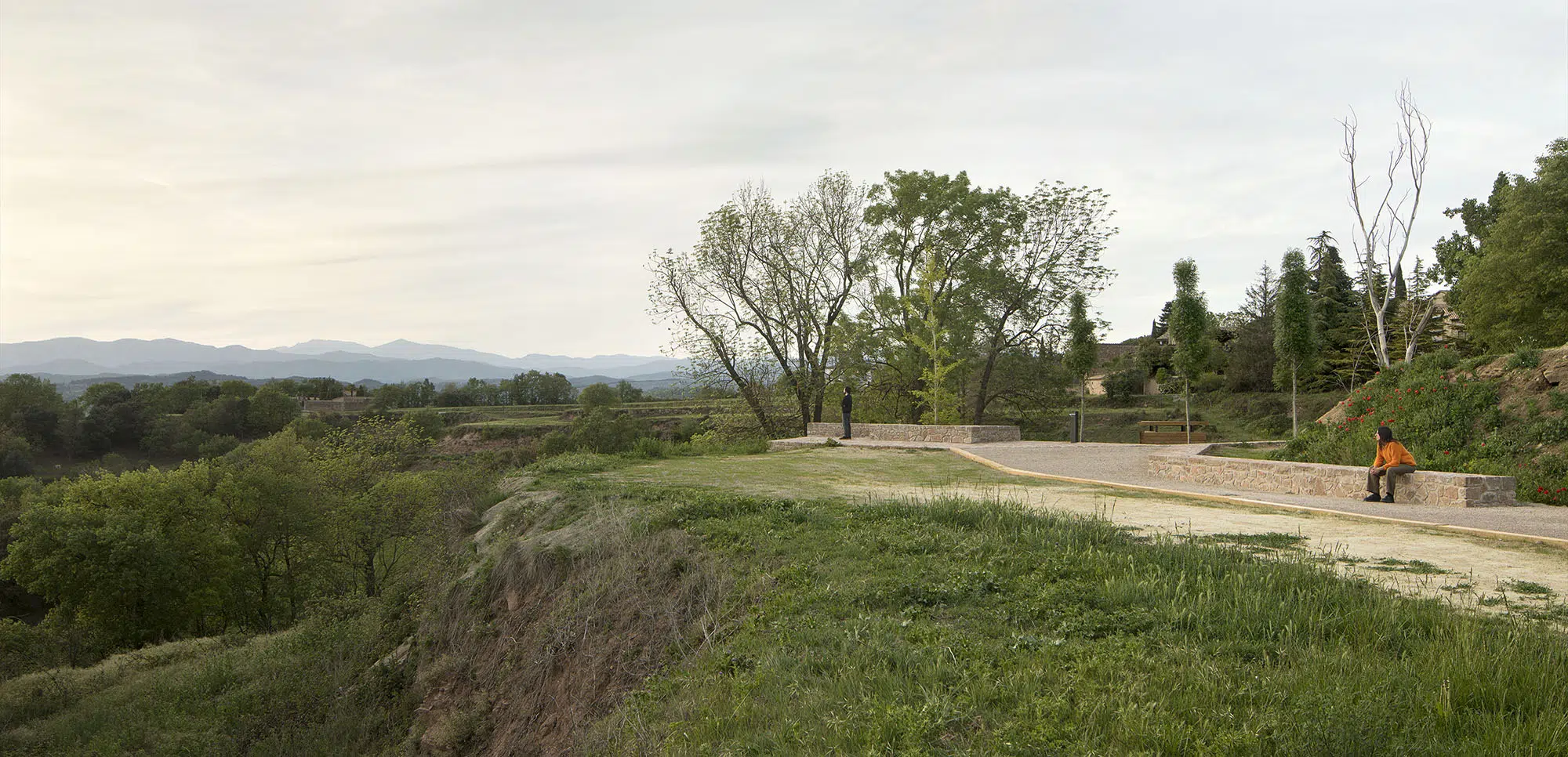
The intervention focuses on a selection of four locations that allow for the interpretation of the landscape, its history, and the diversity of its habitats. It also seeks to leverage their potential as visitor attractions around which to structure a tourism offering that benefits both the municipalities and the region. The selected viewpoints are: Bellmunt Viewpoint in Sant Pere de Torelló (1), Roc Llarg Viewpoint in Sant Bartomeu del Grau (2), Ponent Viewpoint in Perafita (3), and Munts Viewpoint in Sant Agustí del Lluçanès (4).
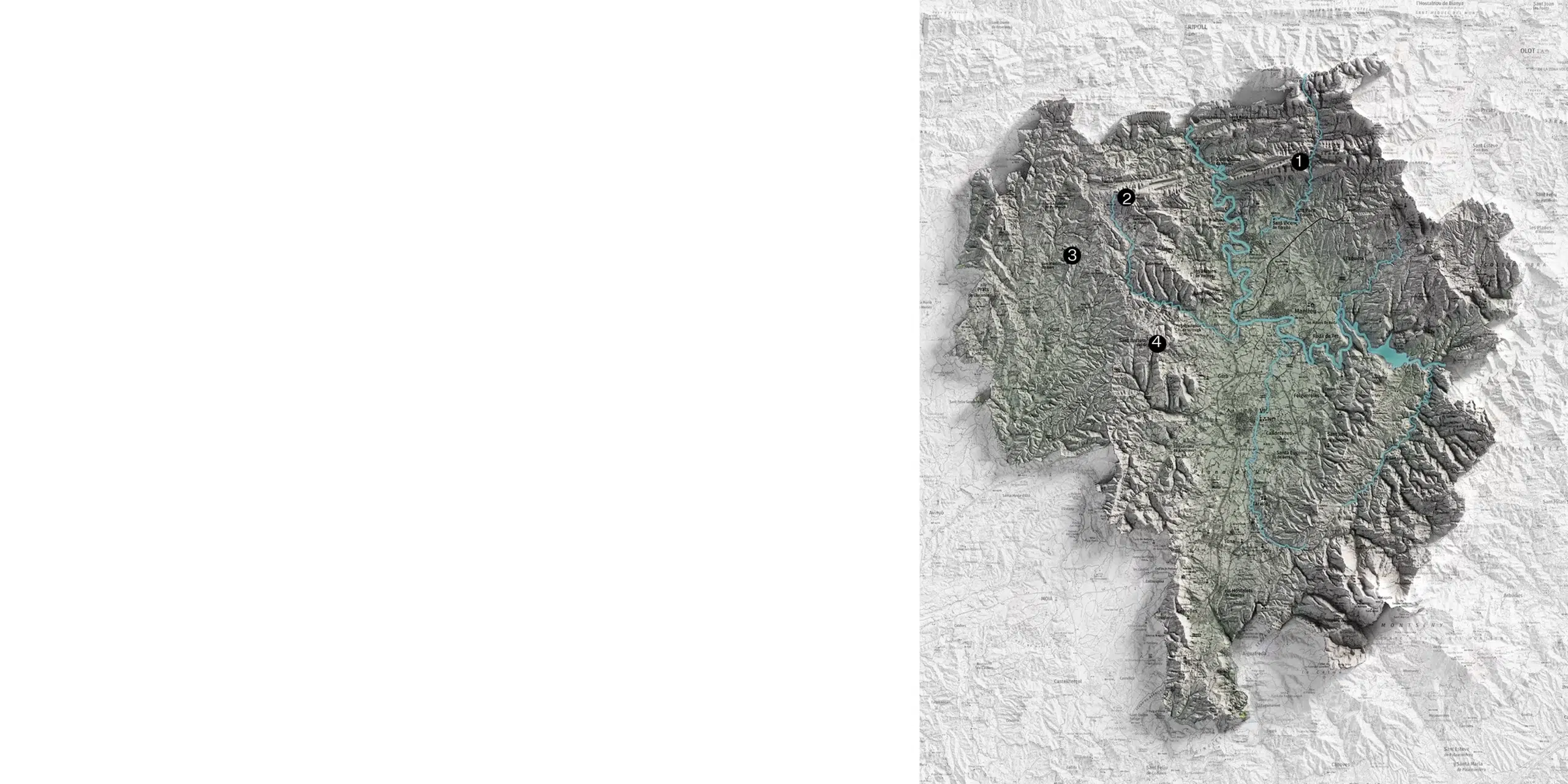
The project aims to highlight the richness of the various landscapes and to preserve their natural and scenic values. Each proposal is adapted to the specific characteristics of its location, striving to provide the most appropriate response in every case. At the same time, the project seeks to create a coherent and recognizable visual identity throughout the network, so that visitors perceive each viewpoint as part of a broader, interconnected itinerary.
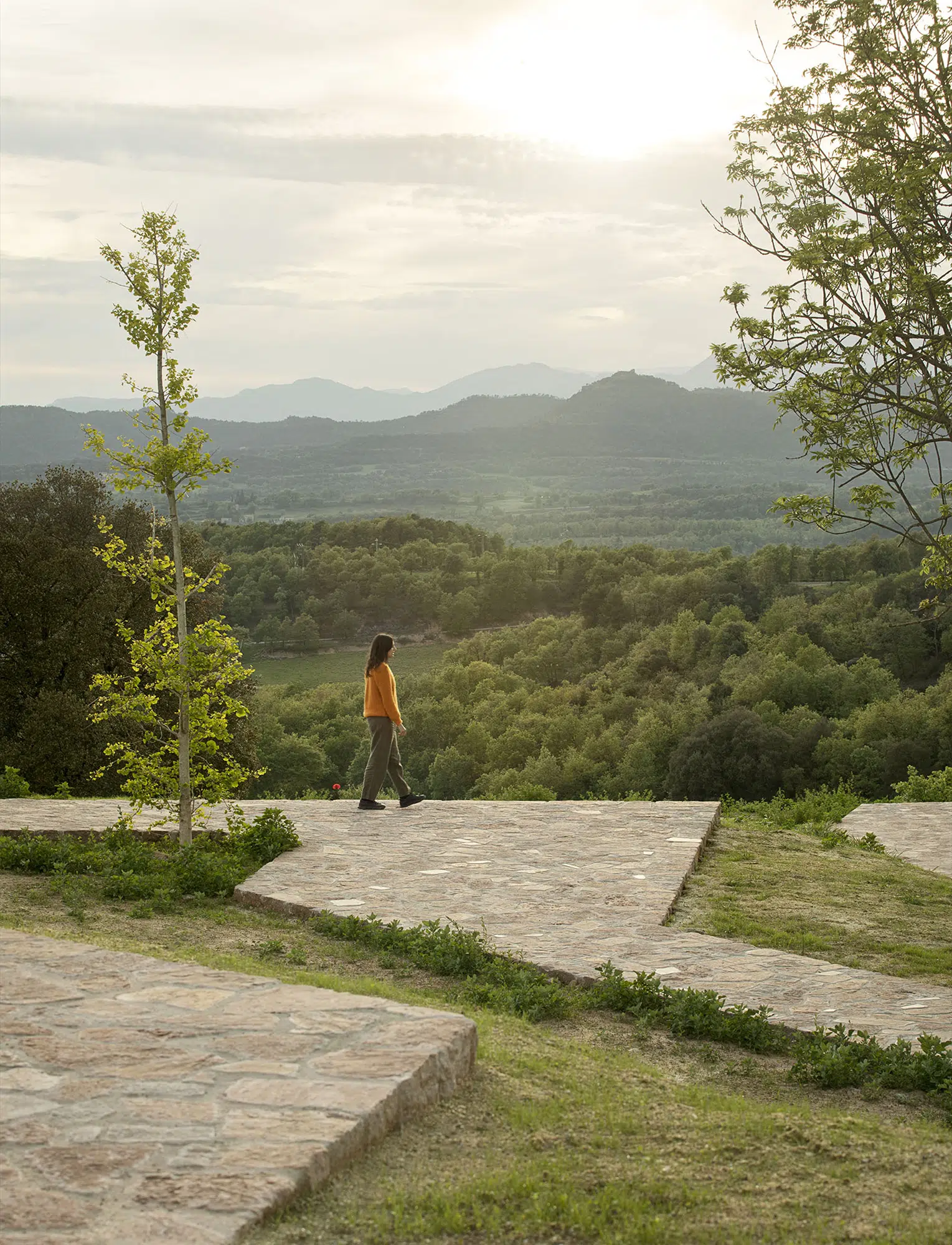
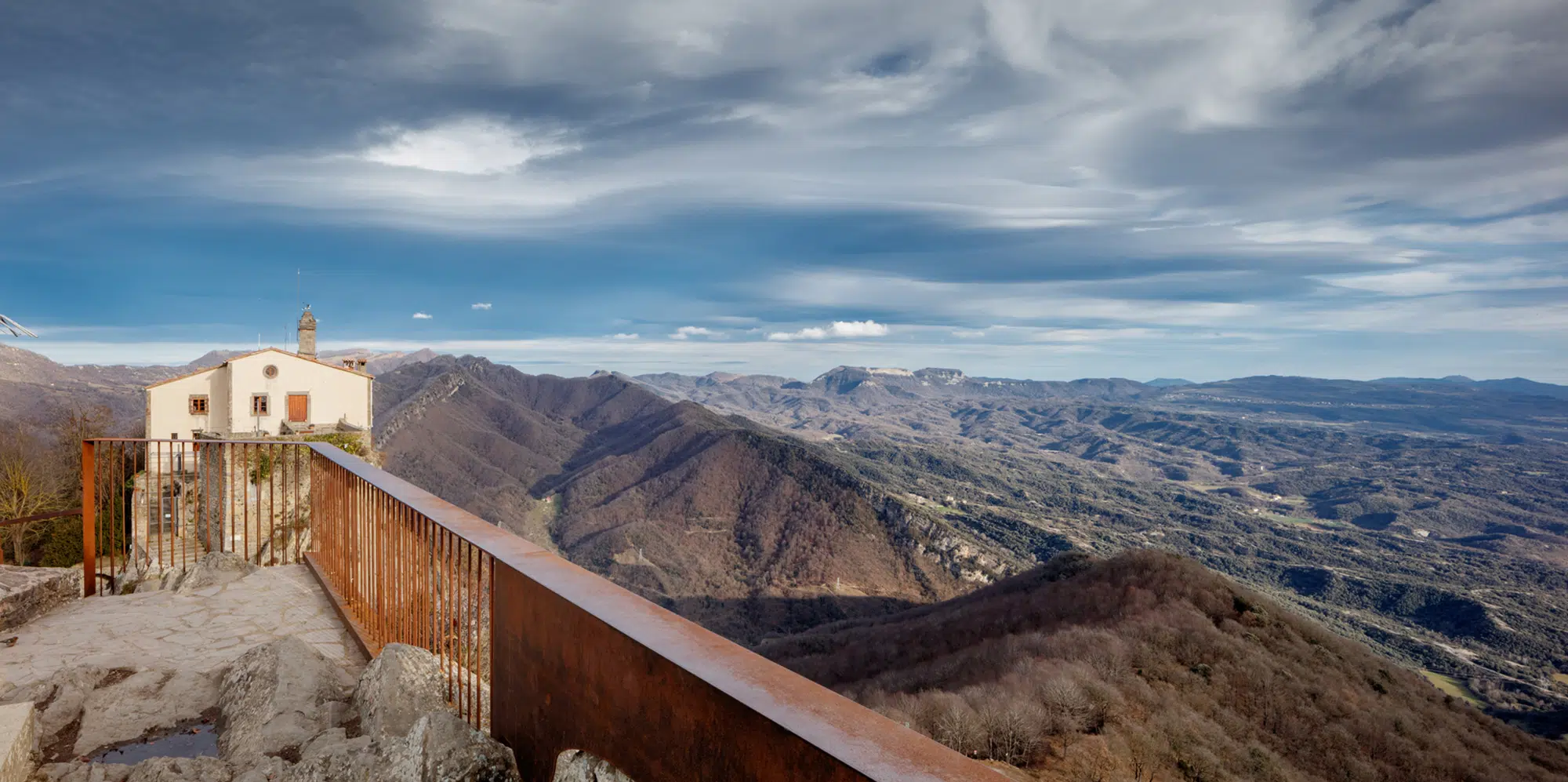
One of the main goals of the project is the conservation of natural and scenic values, ensuring that each intervention is adapted to the specific characteristics of its surroundings. A consistent and recognizable design language has been sought for the viewpoints, so that visitors perceive them as part of an interconnected route. This strategy not only enhances the understanding of the landscape, but also strengthens the sense of unity between the different observation points.
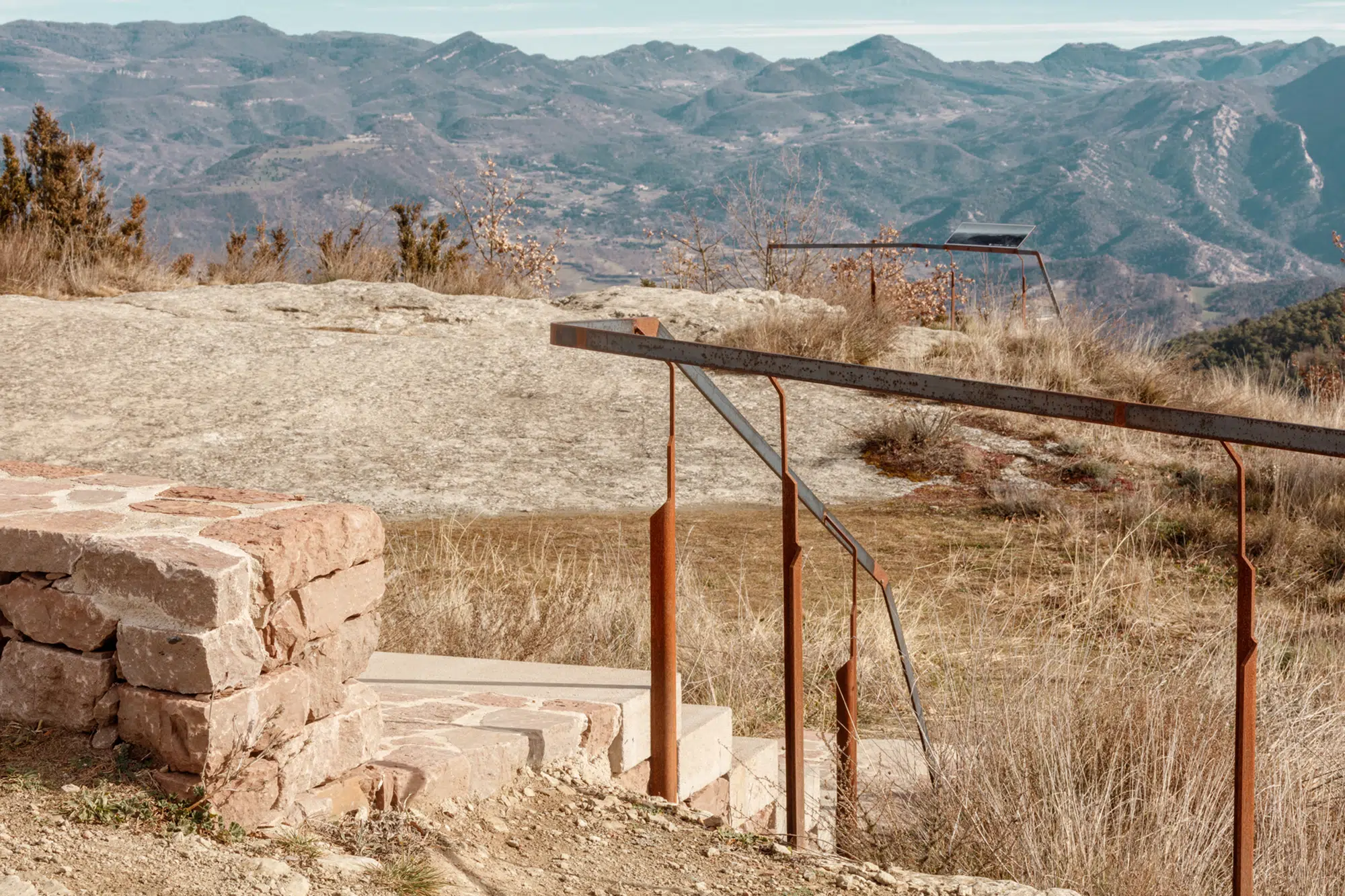
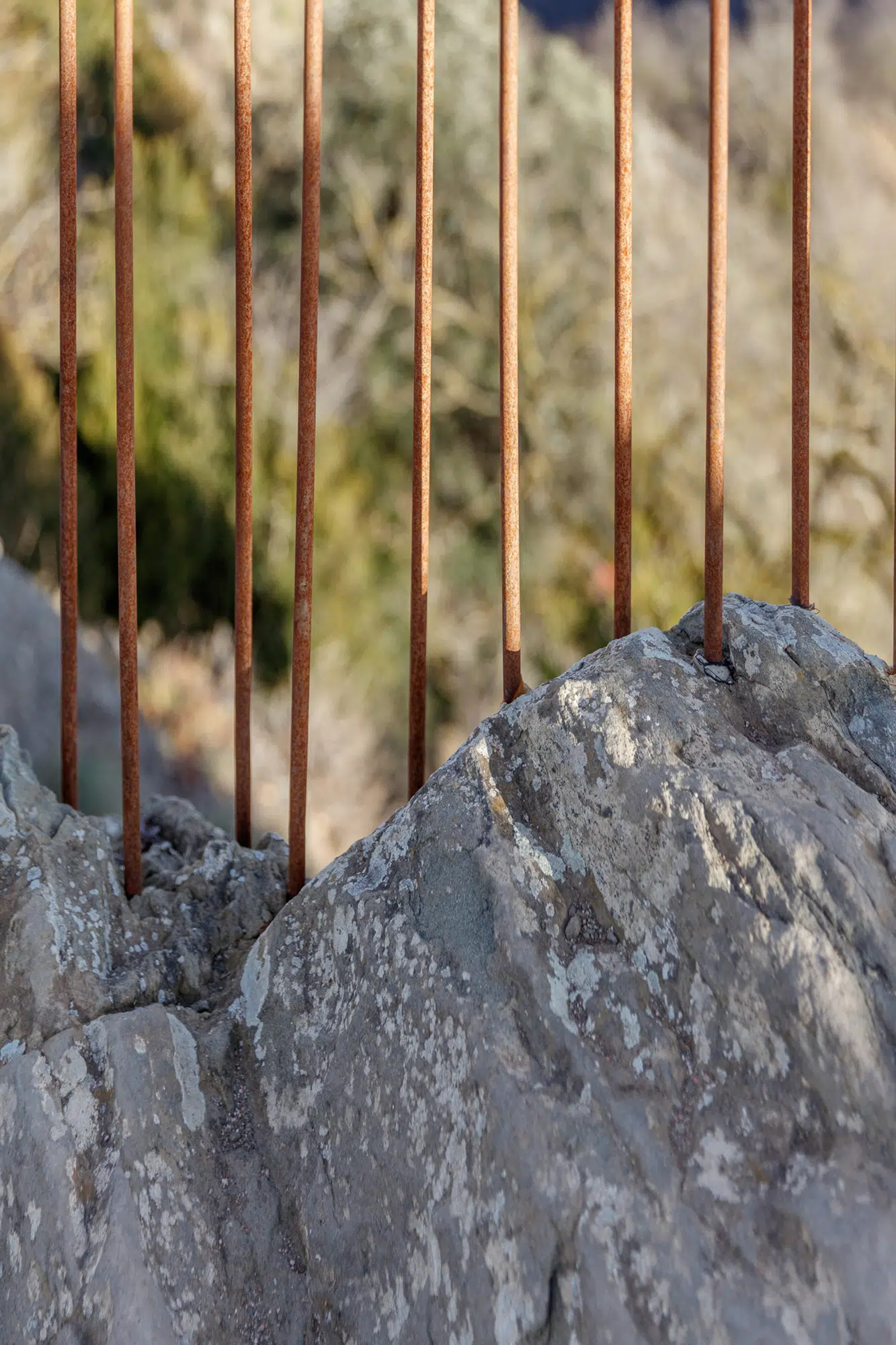
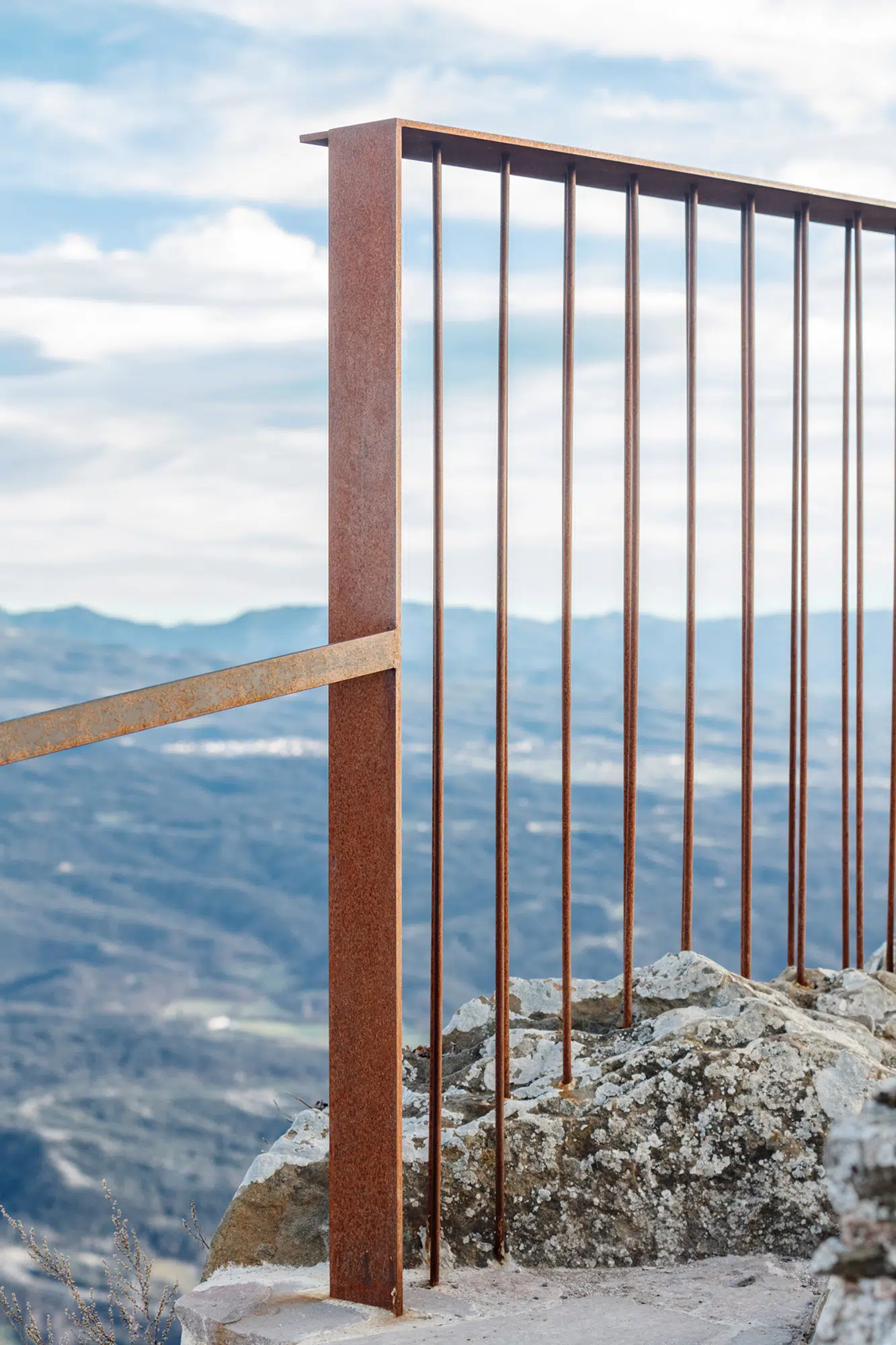
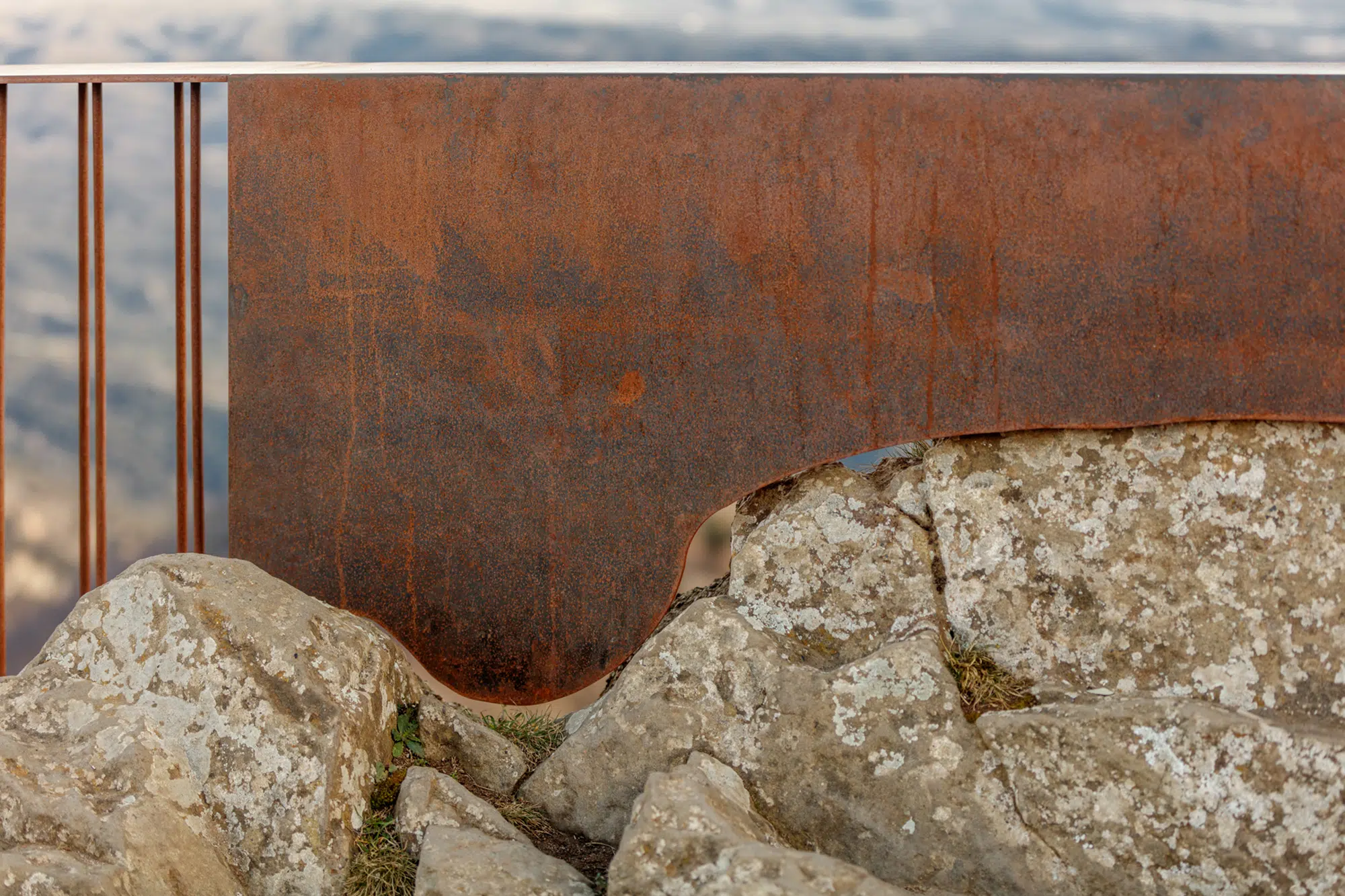
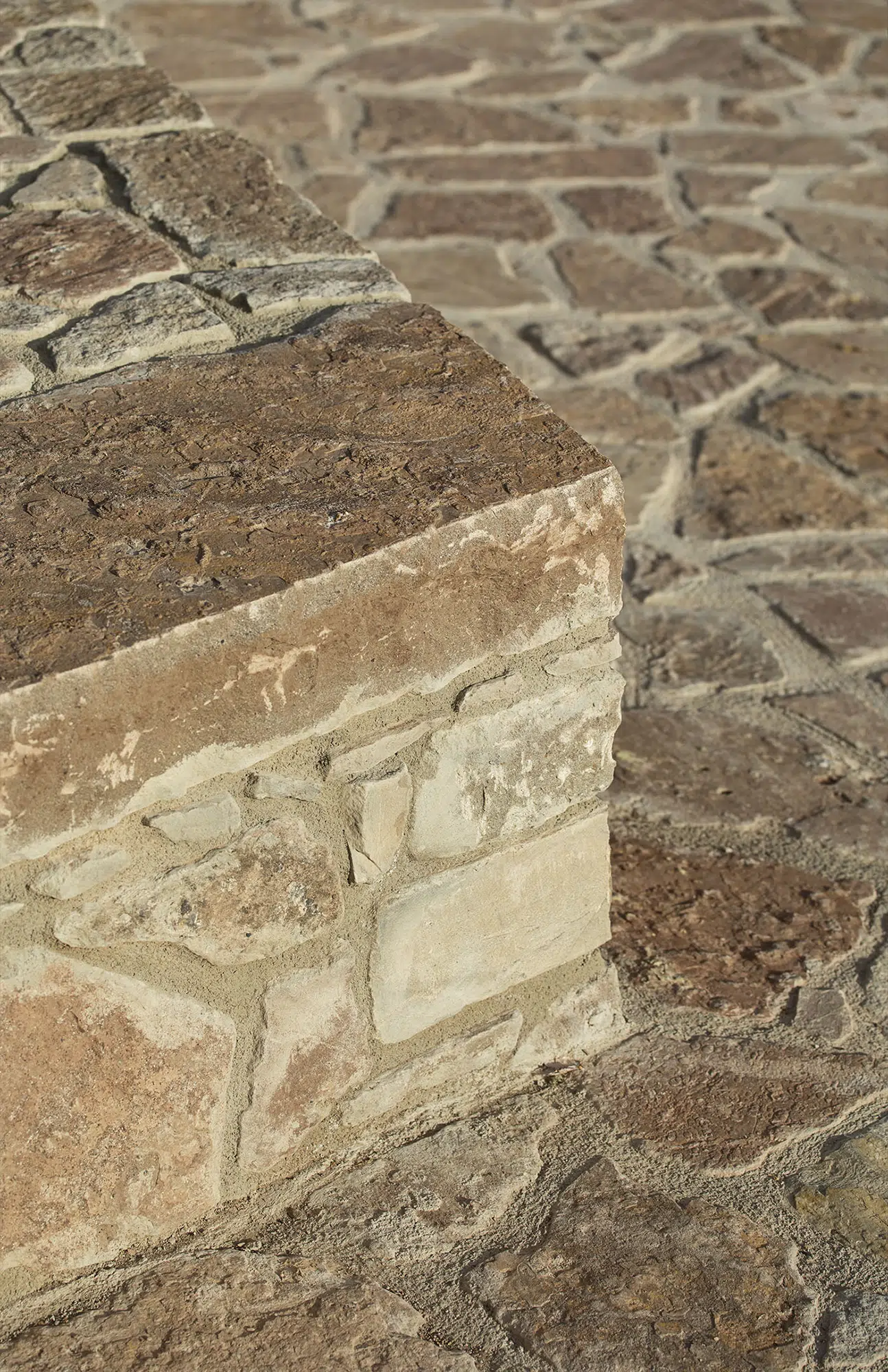
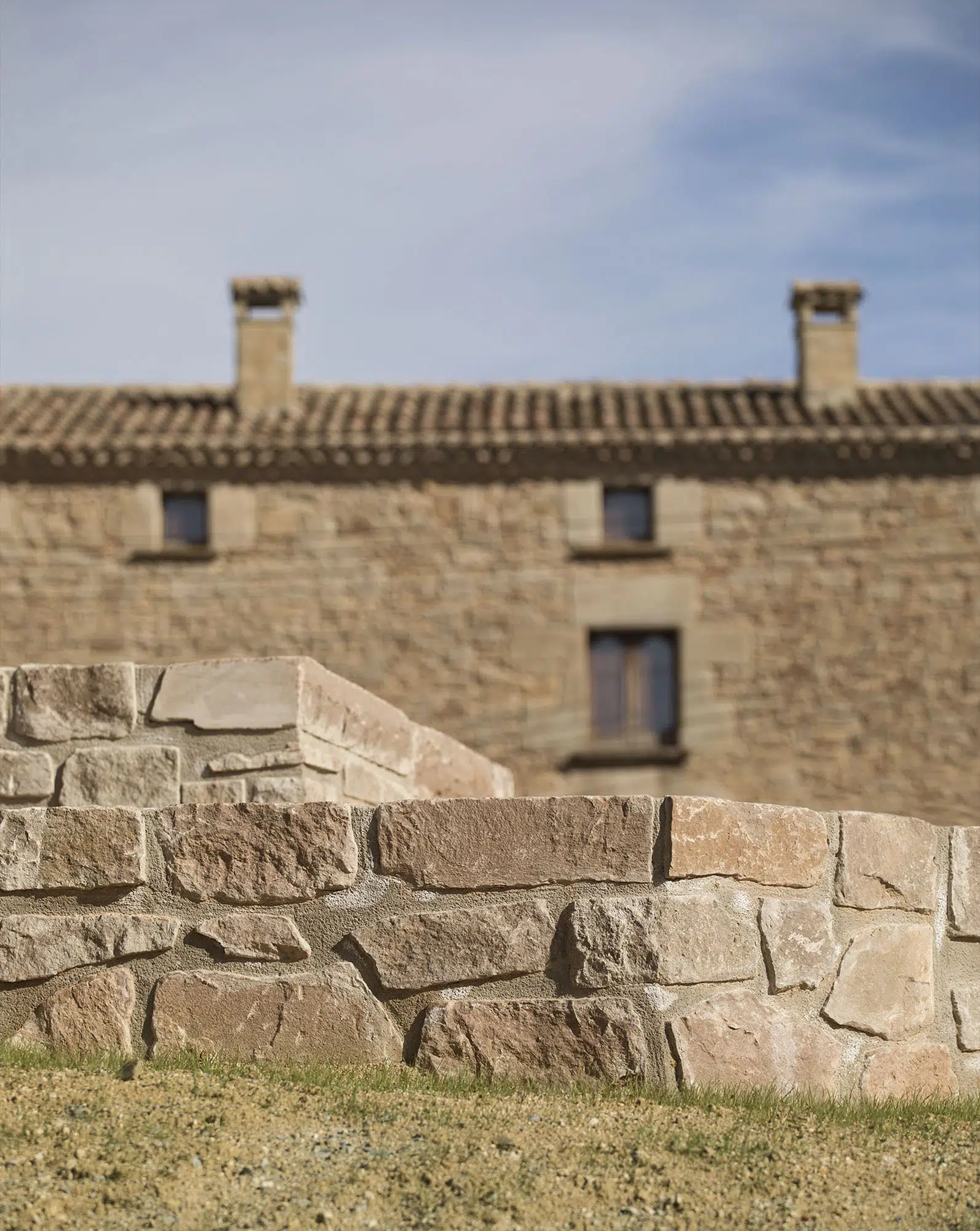
The key strategy to achieving these objectives lies in the use and technique of stone as the material for the new pavements and furniture elements. The choice of this material is based on its strong presence in vernacular architecture, its low ecological footprint, high resistance, and virtually eternal durability. It is suitable for all the contexts where the viewpoints are located—hilltops, river zones, and peri-urban areas—and thanks to its natural origin, it blends seamlessly into each of them.
Based on this material selection, the project focuses on creating platforms and elements of bold geometric form using almost exclusively this single material, in a rough, unrefined format, without any finishing or polishing processes. The manual, almost artisanal, work required to shape the pavements, platforms, and other features of the design gives the ensemble an almost sculptural value.
All viewpoints are complemented by a common element: a totem made of corten steel gabion cages filled with glass rock, a recycled material from the glass industry. This totem provides educational content about each viewpoint as well as the network as a whole.
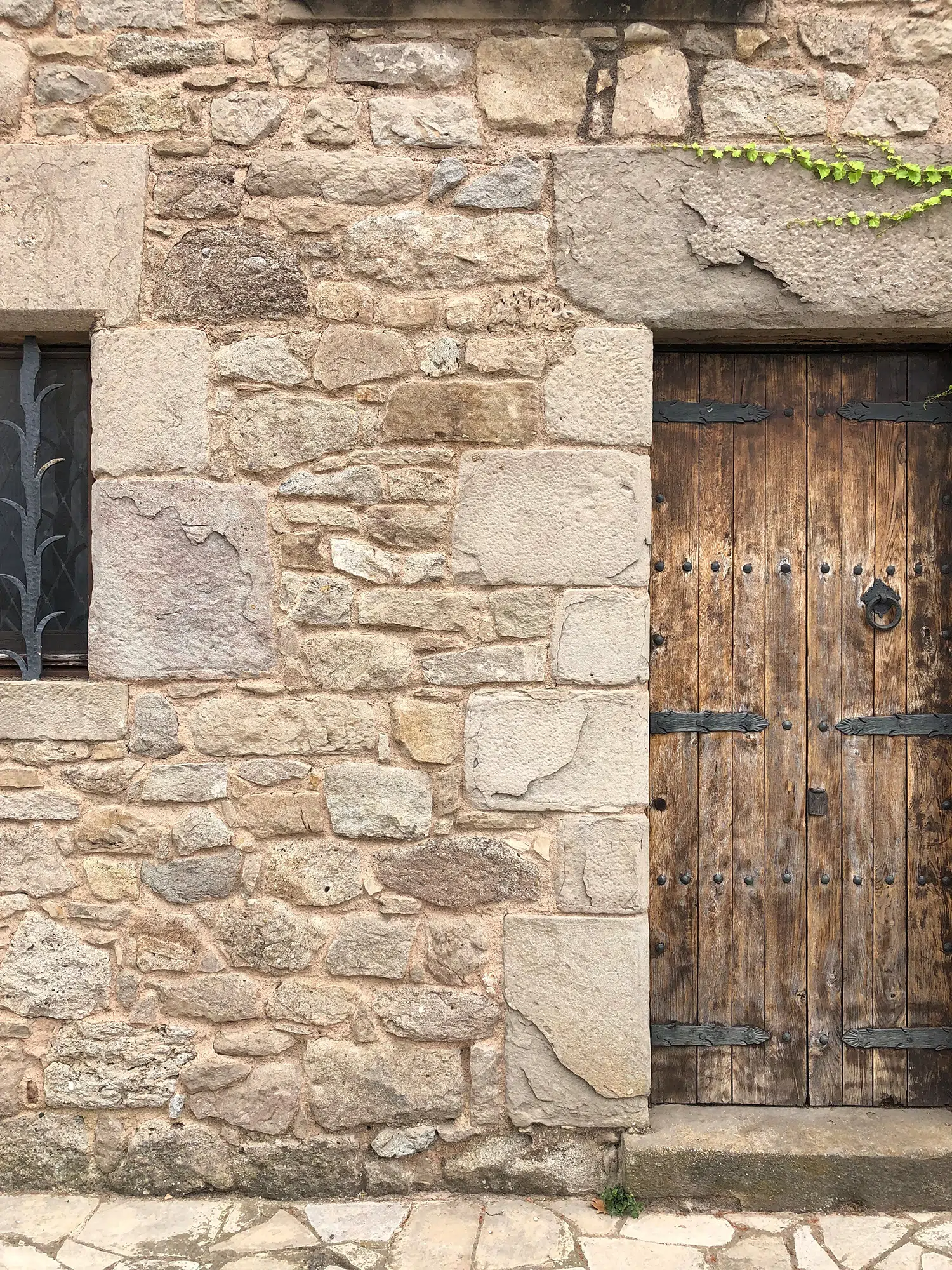
The “Osona Viewpoint Network” is an initiative that balances the conservation of natural heritage with the development of responsible tourism. Through a respectful intervention that integrates with the landscape, it provides access to exceptional sites from which to enjoy the scenic beauty of Osona and discover its historical and ecological richness. With this project, Osona reaffirms its commitment to preserving its territory and promotes high-quality tourism that values the landscape and its history without compromising its sustainability.